
According to reports, Korean semiconductor giant SK Hynix's headquarters is expected to pay an average performance bonus of approximately 6.1 million RMB per capita in 2027. After learning about the astronomical bonuses at headquarters, employees at Samsung Electronics and SK Hynix's Chinese factories have collectively demanded pay raises.
Additionally, Samsung Electronics' headquarters employees have also launched large-scale strikes due to the significant bonus gap with SK Hynix, demanding the abolition of the bonus cap and allocating 15% of operating profit to the bonus pool.
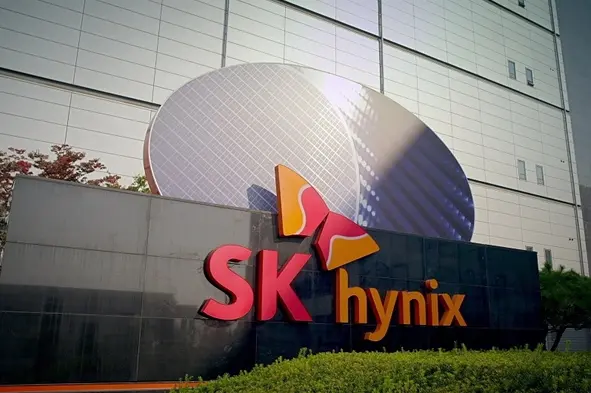
It is reported that SK Hynix removed its bonus cap in September last year, promising to distribute 10% of its annual operating profit directly as performance bonuses. In contrast, employees at its Chinese factories receive extremely limited amounts.
In SK Hynix's 2025 performance bonus distribution, South Korean employees can receive up to a profit-sharing bonus equivalent to 30 months of basic salary, while employees at Chinese subsidiaries receive an average of only 8 months' worth.
In response to these demands, the two companies have adopted different strategies. SK Hynix stated that it has noted the situation, claiming its performance system operates according to the characteristics of different countries. Samsung Electronics explicitly denied the claims, insisting that its Xi'an factory has never received any formal related requests.
Industry insiders have warned that if the bonus levels for employees in China are raised, it will trigger a chain reaction among employees in North America, Europe, and other regions, further driving up overall labor costs.
It is worth noting that the aforementioned two factories are crucial to the global memory chip supply chain. Samsung's Xi'an factory is its only overseas NAND flash memory production base, accounting for about 40% of its total production capacity.
SK Hynix's Wuxi factory serves as a core production base, undertaking about half of its DRAM production. If the bonus dispute affects production stability, it could directly impact the supply pace of global memory chips.
 微信扫一扫打赏
  支付宝扫一扫打赏
Comments (0)