
The Strait of Hormuz opening and closing every few days is something we've pretty much gotten used to.
People's reactions are usually just that gas car owners are out of luck and Chinese EVs are about to take off.

But actually, this time it's really not just about gas and electricity, because recently even condoms have gotten dragged into it.
A while ago, Karex, the world's largest condom manufacturer, announced that due to supply chain tensions caused by the US-Iran conflict, it plans to raise product prices by 20% to 30%.

Yes, you read that right.
A Middle East conflict, a tug-of-war over a strait, leading to a surge in international oil prices, has now circled back to condoms...
This sounds a bit surreal at first.
After all, buddy, I'm already driving my hybrid like a pure EV, how can I still get fleeced by oil?
But if you open the ledger and look, you'll find that this fleecing doesn't hurt too much, but there are just way too many cuts.
Because oil is no longer just for burning.
In modern society, it is almost everywhere. Calling it the blood of industry is no exaggeration.

Take condoms, for example. The impression is that they're usually made of ordinary natural latex, so they shouldn't be affected this much.
But now, some high-end models have started shifting to non-natural latex because it has less odor and is less likely to cause allergies, so its growth has been rapid. According to a report by Fortune Business Insights, its market share has now reached around 17%.
Coincidentally, several types of non-natural latex materials—polyisoprene, polyurethane, and nitrile—all belong to the petrochemical family.
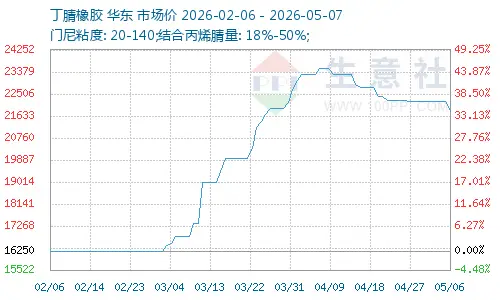
Among them, the price of nitrile rubber was 16,250 yuan/ton in early March, and by April 27, it had shot up to 22,250 yuan/ton, a surge of 36.9%.
Of course, as we said, not all condom bodies rely on oil; the ordinary film indeed still comes from rubber trees.
But while the film is natural, the accessories are not.
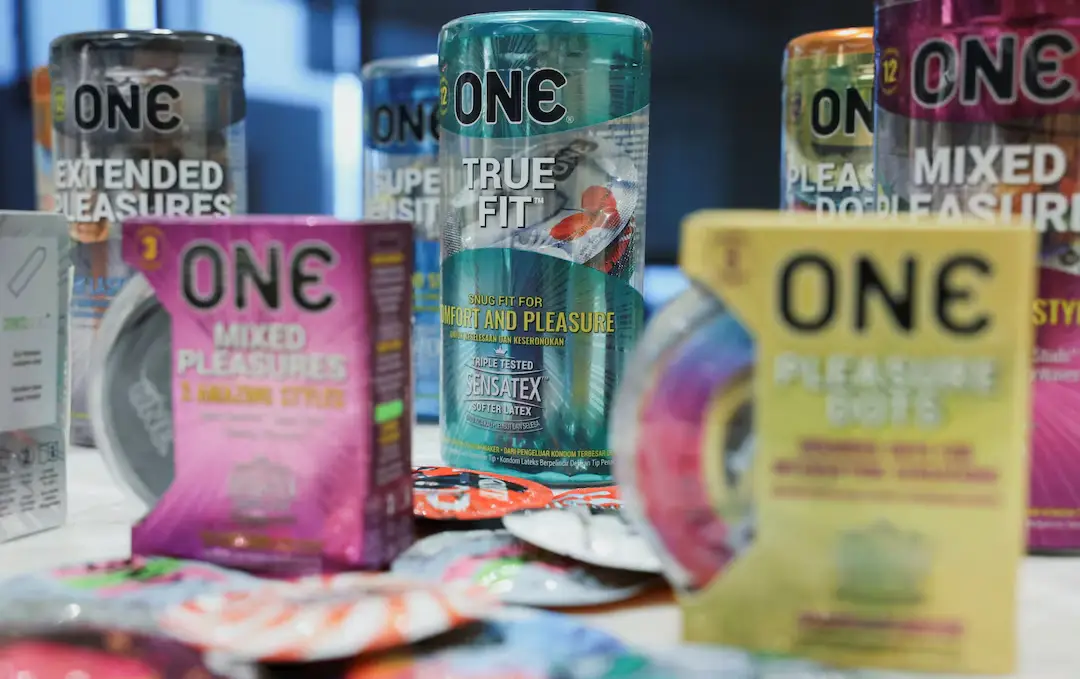
To fully assemble a finished product, it also requires lubricants, silicone oil, composite packaging, aluminum foil, and other materials, not to mention transportation and logistics costs. When you break these down, they still can't escape petrochemicals.
Therefore, Karex's price hike shouldn't simply be understood as crude oil goes up, condoms immediately go up 30%. It's more like telling customers: all my costs are rising, and future contracts need to be renegotiated.
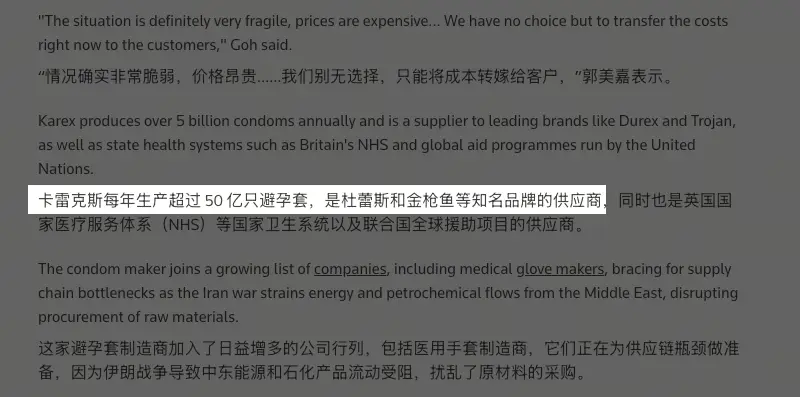
According to Reuters, its annual output exceeds 5 billion units, contributing to about one-fifth of global capacity. When a player of this size makes a move, the entire supply chain has to weigh its options.
As for the domestic market, there's no need to panic in the short term. In public reports, several mainstream brands haven't mentioned this yet. Because we still have domestic production capacity, and channel inventories are still there.
But this also serves as a reminder that even things that seem to have absolutely nothing to do with oil are caught in this massive web of petrochemicals.

For example, the ibuprofen we take for colds and fevers is also tied to the petrochemical chain.
Whether it's the synthesis of basic drugs or the formulation of various capsules and suspensions, the production process requires a bunch of basic chemical products to assist.
So when oil prices go up, besides transportation getting more expensive, raw materials, intermediate production processes, and even packaging all become more expensive.
Fortunately, the market for this stuff is very well-established, and formulation plants can't just casually pass costs on to ordinary consumers.
Furthermore, there are national constraints; drugs entering centralized procurement or medical insurance systems generally cannot raise prices arbitrarily.
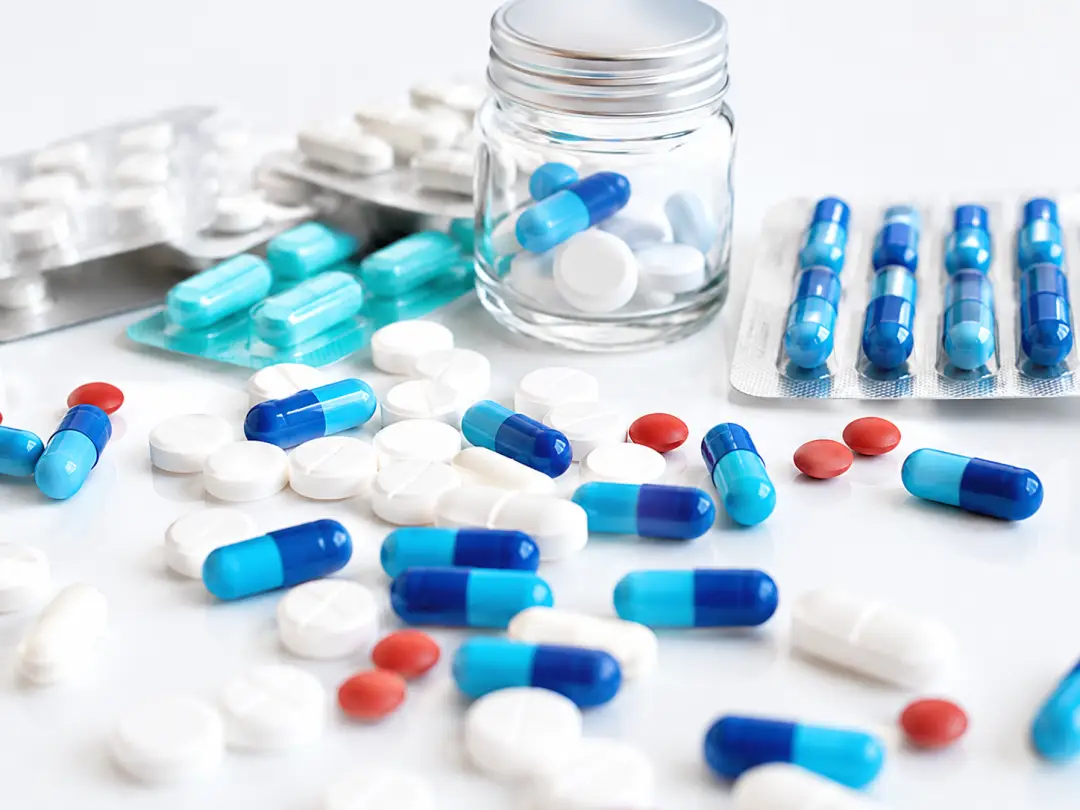
For us buying medicine, it just means that for the same drug, the price gap between different brands and packaging will be larger. But if it continues to rise, those low-price specifications might temporarily go out of stock.
Also tied to the petrochemical industry are some vitamins.
Especially vitamins A and E, both of which are highly dependent on petrochemical derivatives for synthesis. From February to May, the price increases of raw materials both exceeded 70%.
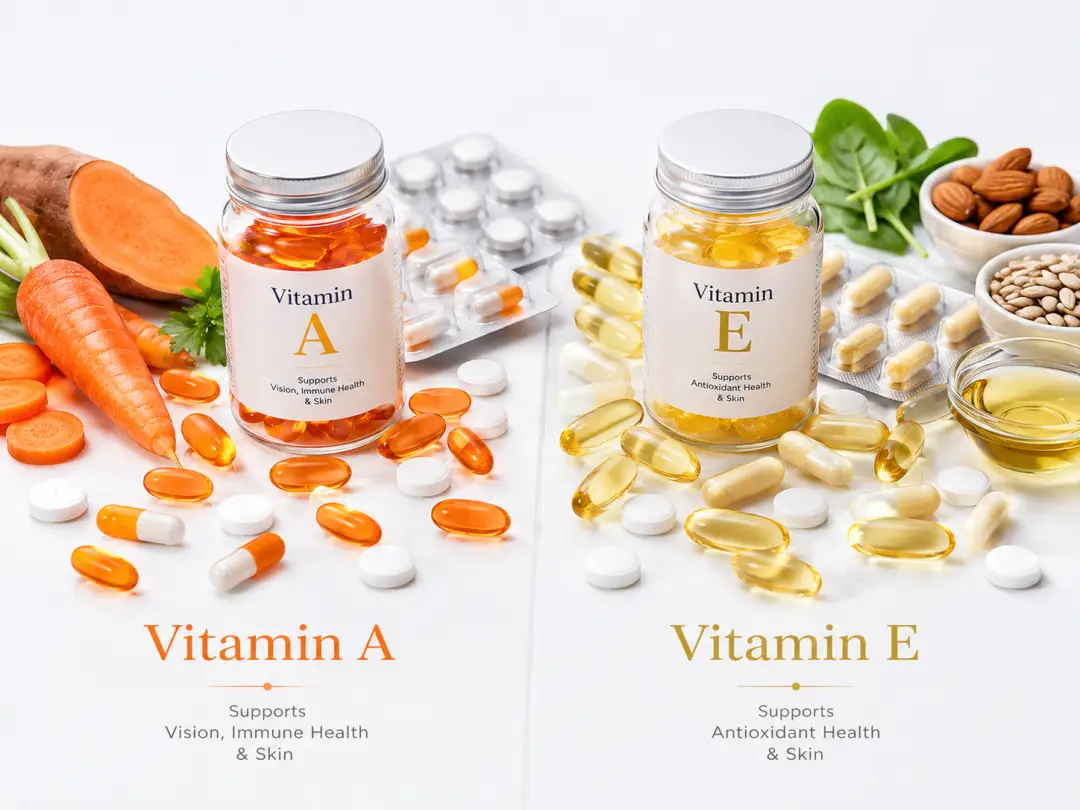
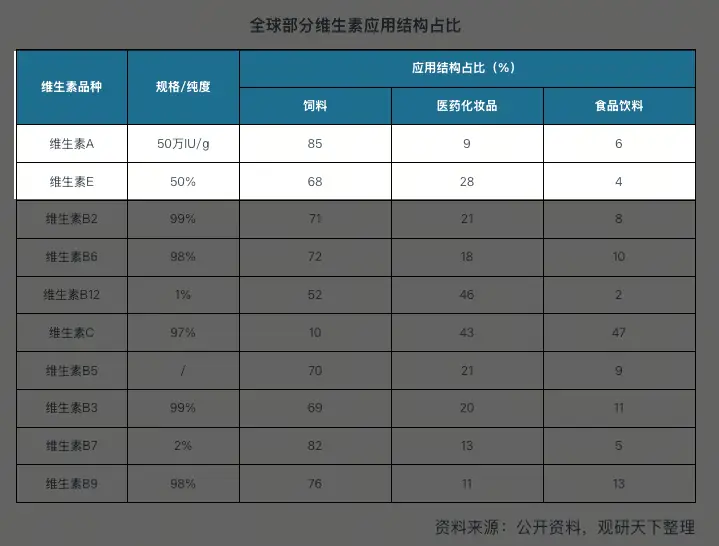
Although the cost of raw materials in bottled vitamins is not high, generally in the single-digit percentages, so the price increase is not obvious, humans actually don't consume that much vitamin A and E. The bulk of consumption is actually in livestock, meaning feed for farming.
According to research by Guanyan Tianxia, 85% of the vitamin A produced is mixed into feed, so feed prices have to go up too.
Although it might only be a few yuan more per ton, the farming industry isn't very optimistic lately, with meat, egg, and milk prices continuing to drop.
As a result, the pressure falls on the farmers, because feed companies can raise prices, but the farming end finds it hard to pass the additive costs further downstream.
But then again, these are considered distant relatives somewhat removed from petrochemicals, and they aren't essentials that everyone uses, so the transmission is slower. Switch to the direct offspring—plastic products—and the effect is much more obvious.
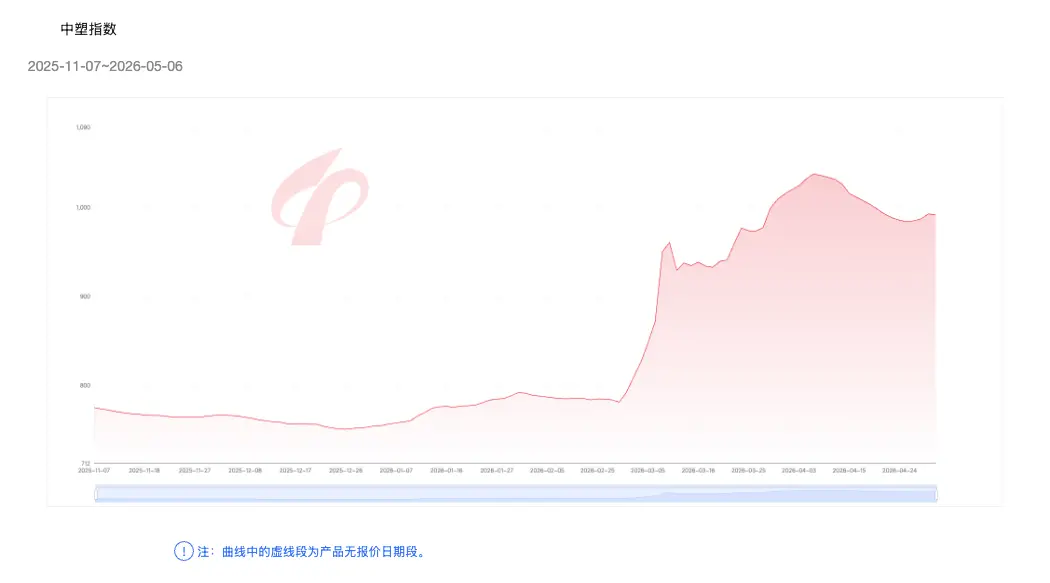

As the most direct and largest downstream products of petrochemicals, plastics have seen their raw material prices go through the roof.
According to public data from the National Bureau of Statistics, the price of LLDPE, one of the core members of the PE plastic family, rose from 6,825.4 yuan/ton in February to 9,034.4 yuan/ton in April, up 32.4%. Polypropylene (PP) on the other side is even more exaggerated, up 40%.
But you might be wondering, I order takeout every day, and I haven't felt like they're charging me more for the containers.
This is what's interesting about plastic products.
It's not much like gasoline, where the gas station screen jumps and you immediately know your balance dropped a notch. Plastic price hikes are more hidden.
Take a 500ml beverage bottle; the bottle might only weigh a few dozen grams. Even if PET goes up a few thousand yuan per ton, when spread to a single bottle, it's only a few cents.
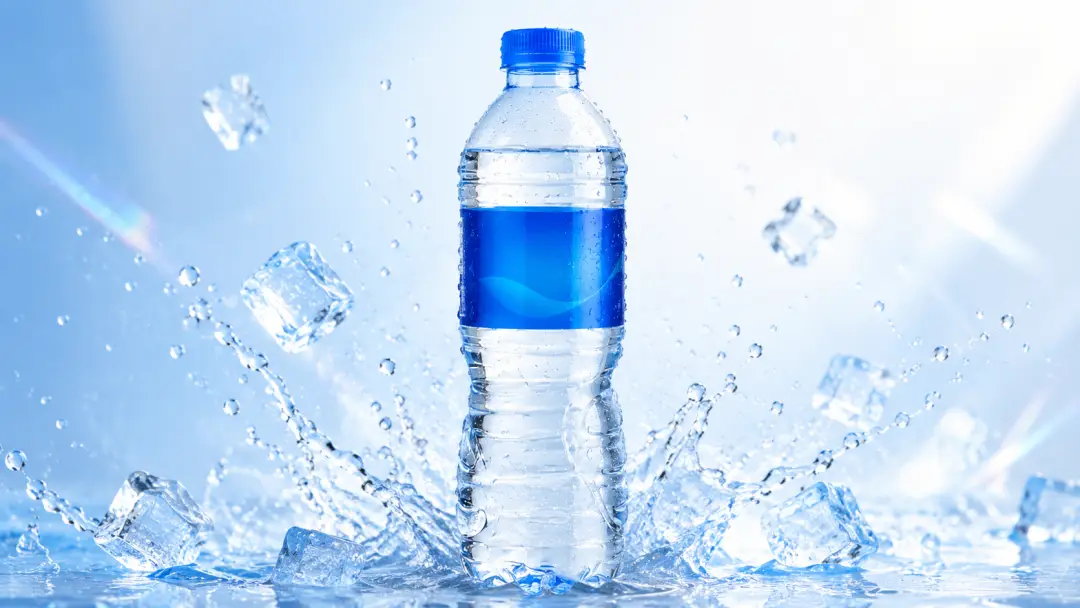
With such a tiny cost, naturally, a brand won't raise a bottle of water from 1 yuan to 1.5 yuan. That would look terrible and easily attract criticism.
A more likely approach is to make the bottle a bit more "lightweight" and reduce discount promotions a bit.
So what we feel is less like a price hike and more like things just aren't as good a deal as before—like takeout coupons no longer inflate, and 10-billion subsidized items no longer get subsidies.
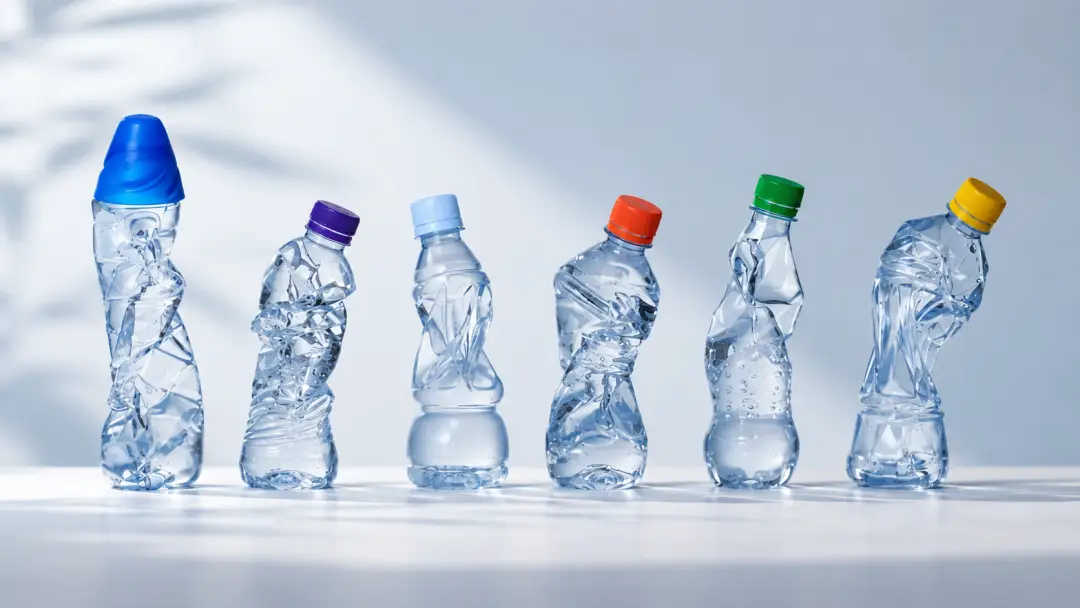
Actually, here's another stab: the ones under the most pressure right now aren't the consumers, but the plastic processing factories in the middle.
Because they often sign long-term agreements with customers at fixed prices. Even if raw materials go up, they can only bite the bullet and deliver at the agreed price.
This aligns with the March PPI index: upstream oil and natural gas extraction prices rose 15.8% month-on-month, but on the production side for rubber and plastic products, it was only 0.6%.
This small increase might be because everyone still had some stockpiled raw materials to digest. Once those run out, the price hike wave will probably arrive.
In other words, upstream raw materials are rising, but downstream prices are stagnant, leaving the manufacturers in the middle under immense pressure.

The chemical fibers we wear are the same; these two are blood brothers. For example, PET, the most common material on plastic bottles, becomes polyester when making chemical fiber, and ends up as durable and affordable blended clothing in our wardrobes.
CCTV Finance reported in April that the overall price of polyester surged over 10% in just a month.

But just like plastic product factories, downstream merchants can't just raise prices along with it. They generally can only absorb some of the costs themselves, use inventory to hold out for a while, or delay deliveries.
Drastically changing the price tag is the last card to play, and it can't be thrown out lightly.
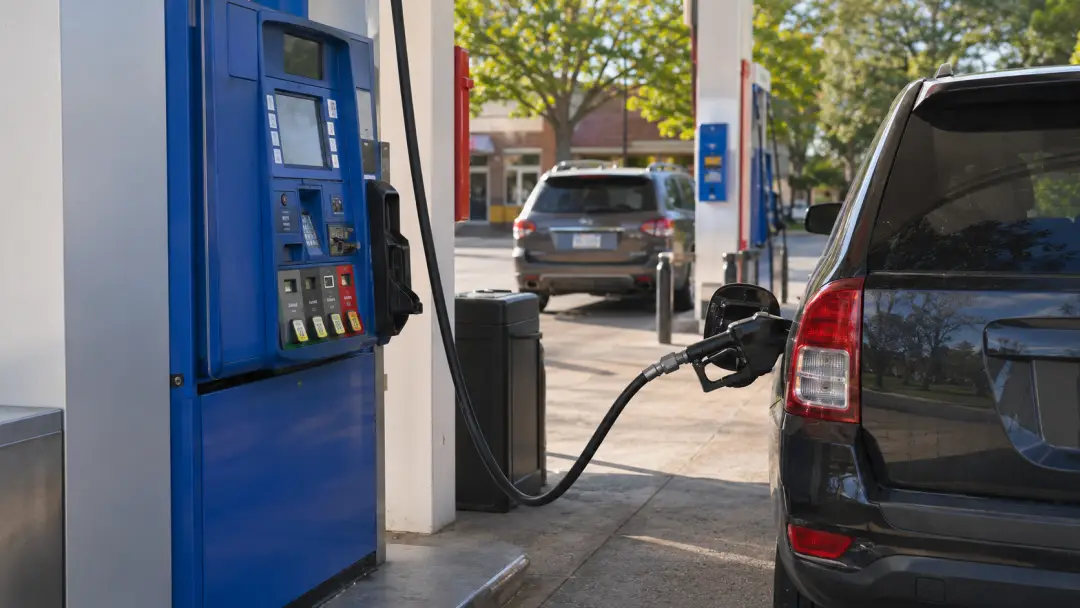
Overall, rising oil prices are more like cutting meat with a dull knife; a lot of things only get a little bit more expensive, but everything gets a little bit more expensive.
So when oil prices rise, on the surface, the first to hurt are drivers.
But if it keeps rising like this, once the costs crawl down the industrial chain, the ones who will ultimately hurt are everyone living in the modern industrial system.
Source: Chapingjun
 微信扫一扫打赏
  支付宝扫一扫打赏
Comments (0)