
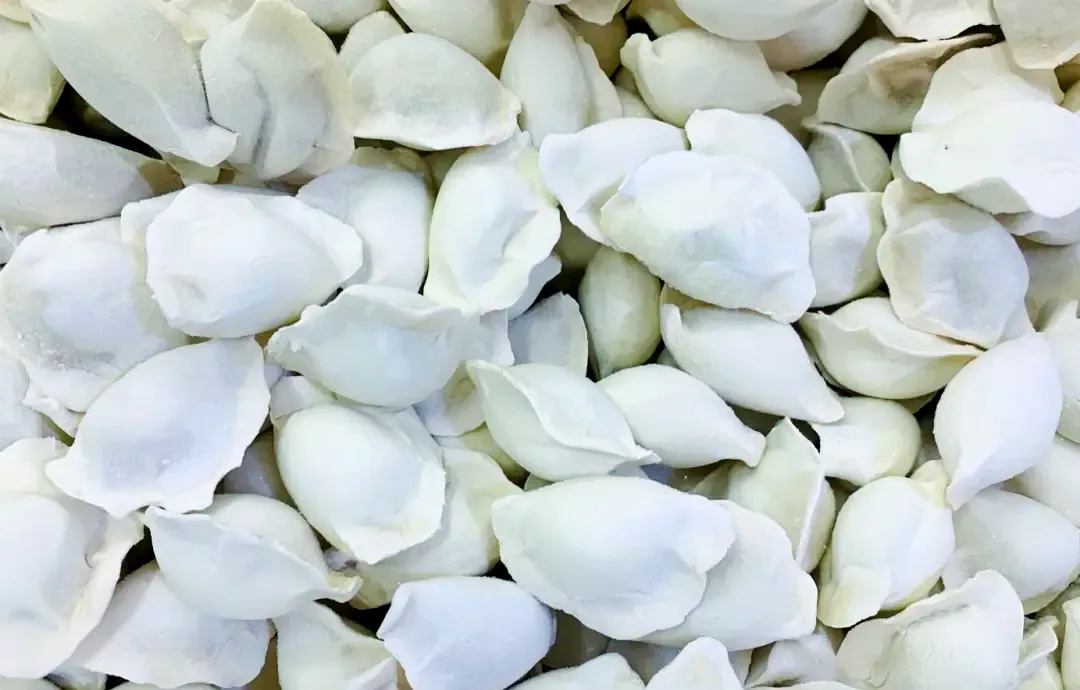
@LaoMaZiFenTi: Why are supermarket frozen dumplings so cheap?
Supermarket frozen dumplings are cheap due to the crushing force of industrial scale + "cost-reducing" filling recipes + low-margin high-volume channels. It's not about being "black-hearted"; it's the norm in the food industry.
1. Raw Materials: Bulk Purchasing + Recipe Substitution, Extremely Low Costs
Flour/Wrappers: Industrial bulk purchasing; the cost of wrapper dough is about 0.5–0.8 RMB per 500g; automated production with extremely low waste.
Meat (Key): Instead of premium retail meat, they use frozen partitioned meat, scrap meat, fat, and chicken skin; compliant but cheap, about 8–10 RMB per 500g (far lower than fresh pork belly at 20+ RMB).
"Meaty" Fillers: Large amounts of soy protein (soybean meal), starch, water, oil, and flavorings are added. Soy protein is about 3 RMB per 500g, and its weight increases 4–5 times after absorbing water, with a texture similar to lean meat; the national standard only requires filling to be ≥35%, without specifying meat content.
Vegetables: Directly sourced from the fields like cabbage/leeks, bulk prices are extremely low, and the proportion is not high.
Let's Do the Math (500g Pork and Cabbage Dumplings, priced at 9.9 RMB)
Wrappers: 0.6 RMB
Fillings: Meat 20% (1.6 RMB) + Soy protein/Starch 15% (0.5 RMB) + Vegetables/Seasonings (0.5 RMB) ≈ 2.6 RMB
Packaging/Utilities/Depreciation: ≈ 1 RMB
Labor (Fully automated): ≈ 0.3 RMB
Logistics/Cold Chain: ≈ 0.5 RMB
Total Cost ≈ 5–6 RMB; the rest is channel profit and the supermarket's loss-leading price.
2. Production: Fully Automated, Labor is Almost Negligible
A single production line outputs tens of thousands per hour; machines mix dough, press wrappers, mix fillings, wrap dumplings, and flash-freeze; 1 person replaces 10, making unit labor cost just a few cents per dumpling.
Flash-freezing locks in freshness, with a 12-month shelf life; inventory loss is extremely low, suitable for long-distance transport and long-term storage.
3. Channels: Supermarket Loss-Leaders + Small Profits but Quick Returns, Volume is King
Frozen dumplings are high-frequency, rigid-demand traffic drivers; supermarkets often sell them at thin margins, cost price, or even a slight loss to drive sales of high-margin categories like vegetables, meat, and seasonings.
Direct supply from large factories, bulk warehousing, and unified cold chain delivery mean fewer middlemen and lower markups.
4. Low Price ≠ Unsafe (For Legitimate Brands)
National Standard GB 19295-2021 controls pathogenic bacteria, additives, and cold chain temperatures; legitimate large factories won't use spoiled meat—it's just less meat, more fillers, and lower-grade ingredients.
Price Differences: 5–10 RMB are mostly soy protein + scrap meat; 15–25 RMB have higher meat content and better ingredients; **30+ RMB** mostly use fresh meat/organic ingredients/premium fillings.
5. Summary in One Sentence
Scale suppresses costs, recipes adjust fillings, machines replace labor, channels drive traffic—this is the core logic behind why supermarket frozen dumplings are cheap.
 微信扫一扫打赏
  支付宝扫一扫打赏
Comments (0)