
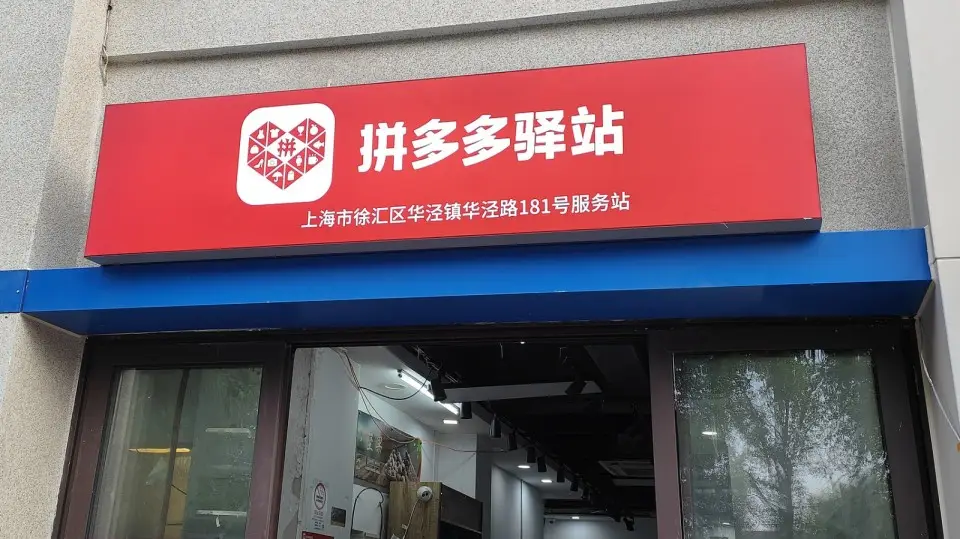
It feels like the express delivery stations downstairs have quietly turned into Duoduo Stations.
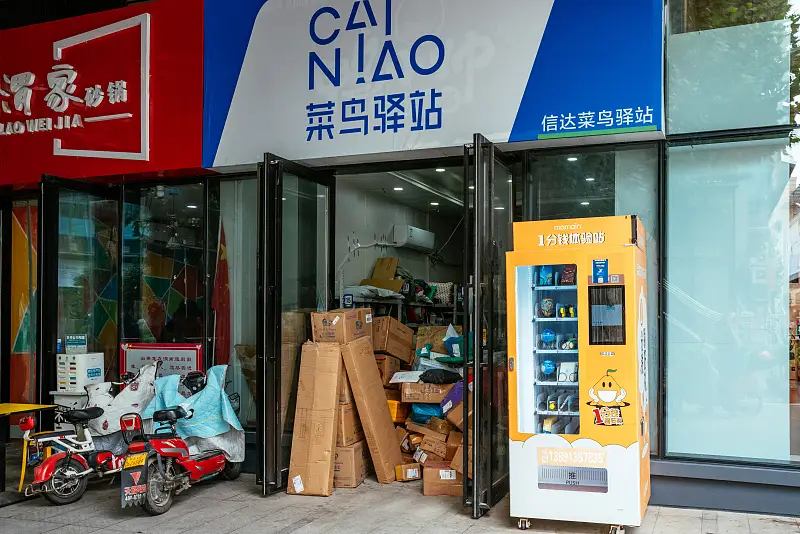
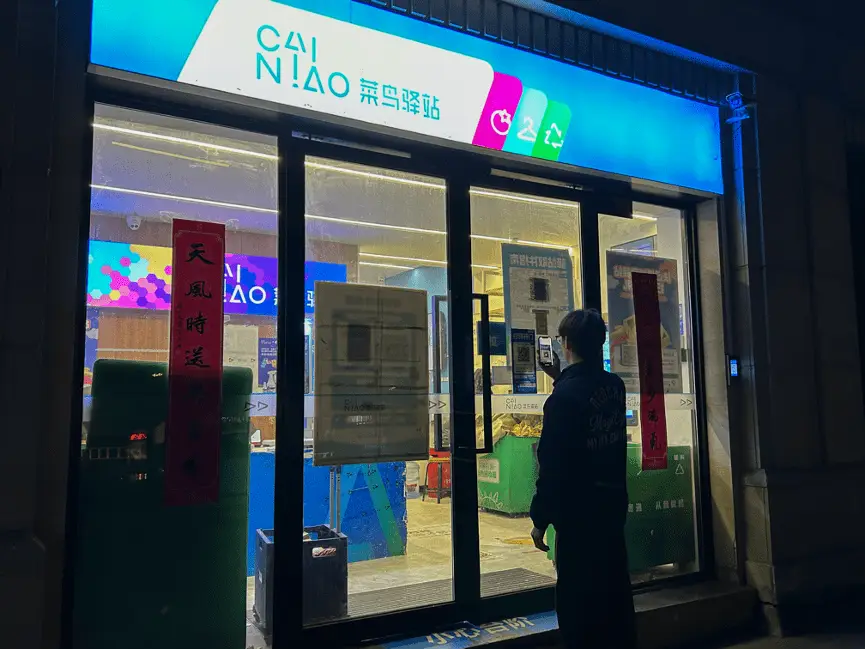
Here's what happened: a while ago, the Cainiao Station sign in Shichao's neighborhood suddenly turned red.
The boss is the same, the store is the same. The overall pickup method is also the same style as the former Cainiao. It's just that the scanning app changed from Taobao to Pinduoduo.
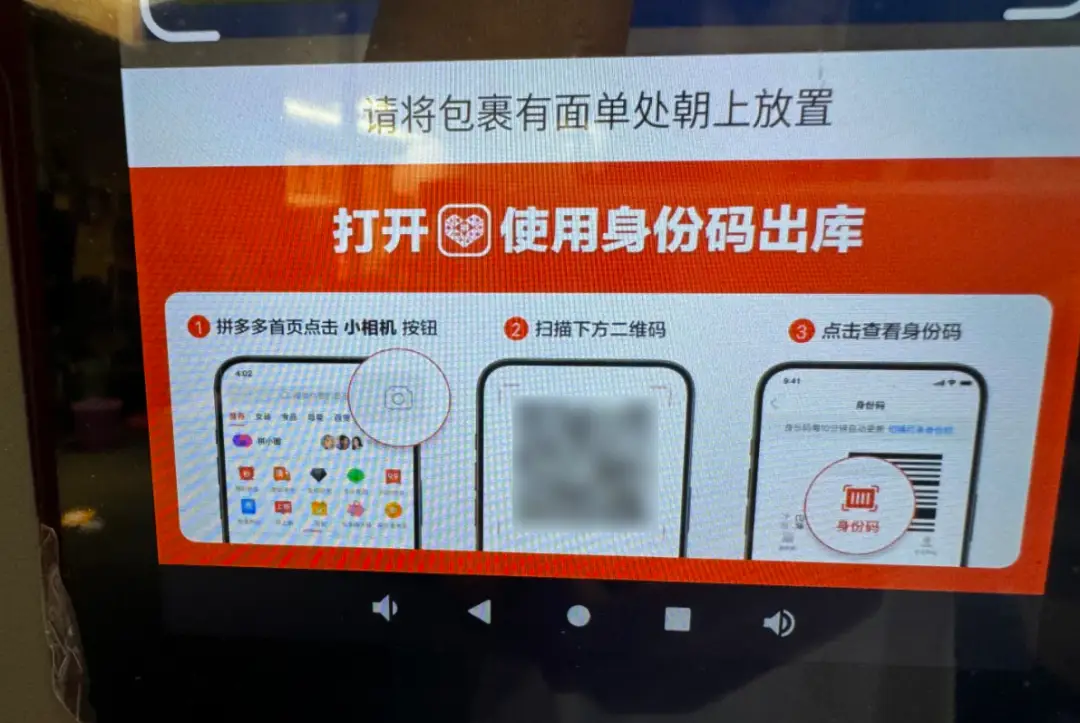
At first, Shichao thought it was just an isolated case, but after searching online.
It turns out that Duoduo Stations are massively invading various residential areas and school station spots. Moreover, they are changing so quietly that by the time we react, they have already been completely reborn.
According to statistics from LatePost, Pinduoduo already has 120,000 to 150,000 outlets (including Duoduo Grocery express pickup points) in lower-tier markets, ranking second in the industry. The top-ranked Cainiao Station has about 170,000 locations.
Even if a portion overlaps with Duoduo Grocery pickup points, it's still a significant number.
Photon Planet provided a more intuitive piece of data. According to their understanding, in a major grain-producing region in the south (referring to places with developed e-commerce and numerous parcels), Duoduo Stations have already taken on 25% of the local parcel delivery volume.
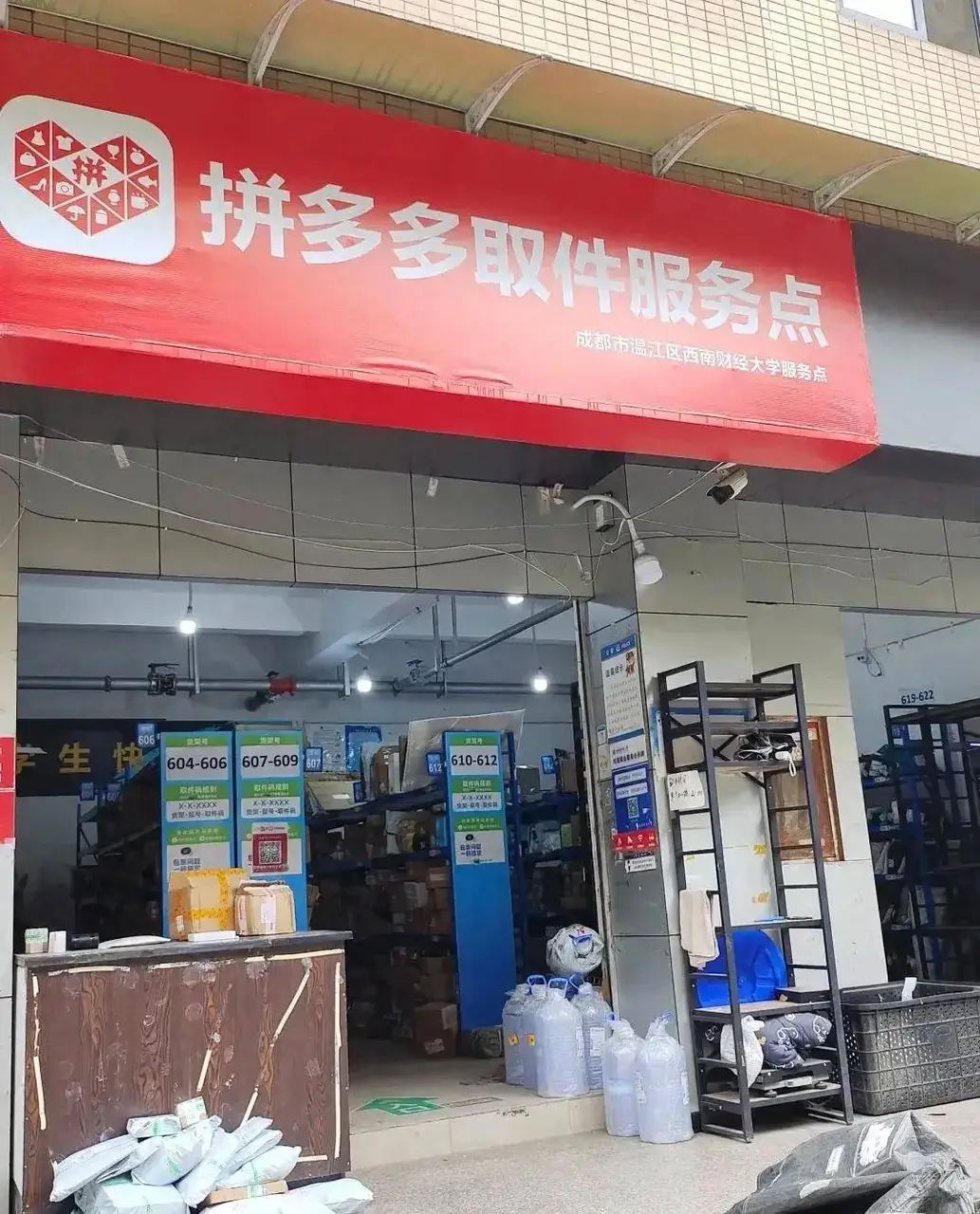
Shichao got curious: why did so many station bosses suddenly start defecting to Pinduoduo's embrace? When did Duoduo Stations start multiplying so rapidly?
I quickly grabbed a few station bosses to ask around, only to find out that Pinduoduo has only been in the express delivery business for four or five years at most.
At first, it was just a side gig set up for the station managers of Duoduo Grocery. It was only after obtaining a license in 2024 and renaming it Duoduo Station that they began to officially roll it out.
As for why the bosses defected to a rookie one after another, they all mentioned a concise word to me in unison—money.

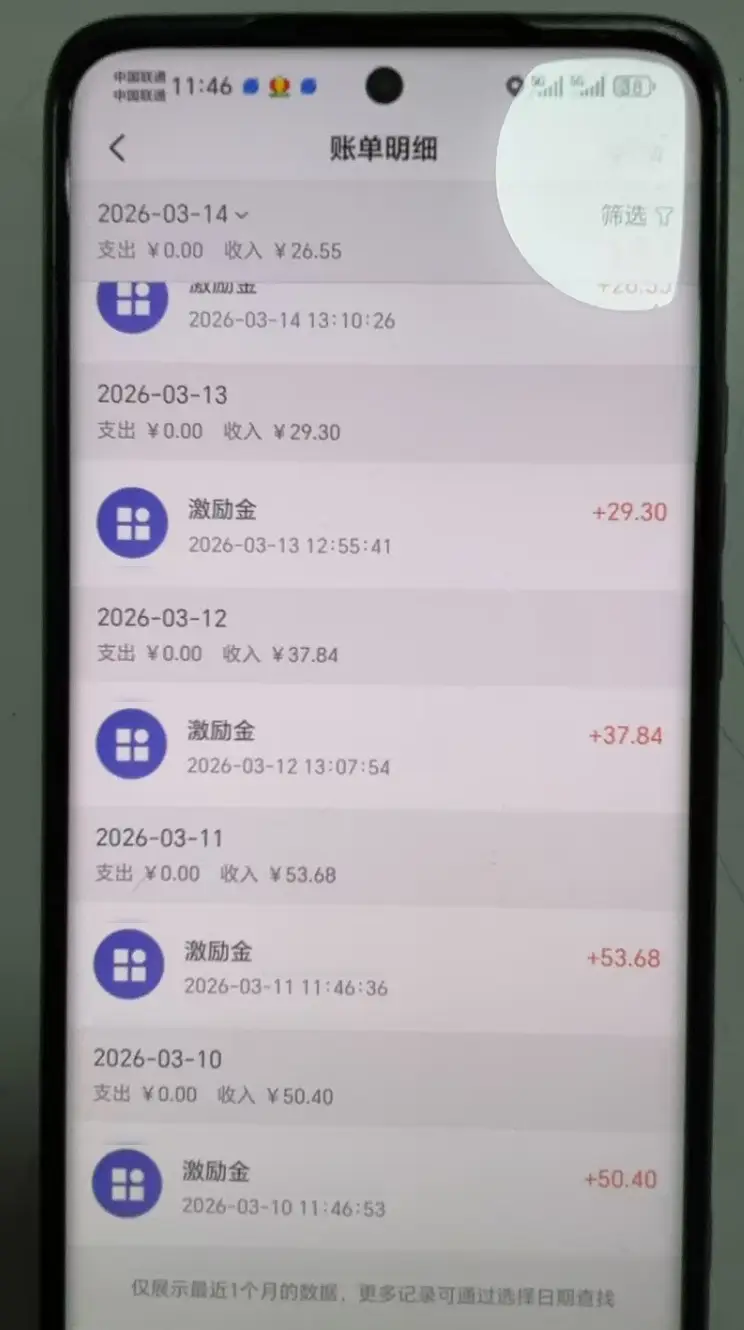
A station manager named Wei Shao showed Shichao his new customer subsidies. For every new user, Pinduoduo gives a cash subsidy. During peak hours, Wei Shao's station can earn over 50 yuan a day, and in the off-season, a dozen or so yuan a day.
"This money isn't a lot, but it's essentially free money," Wei Shao told me.
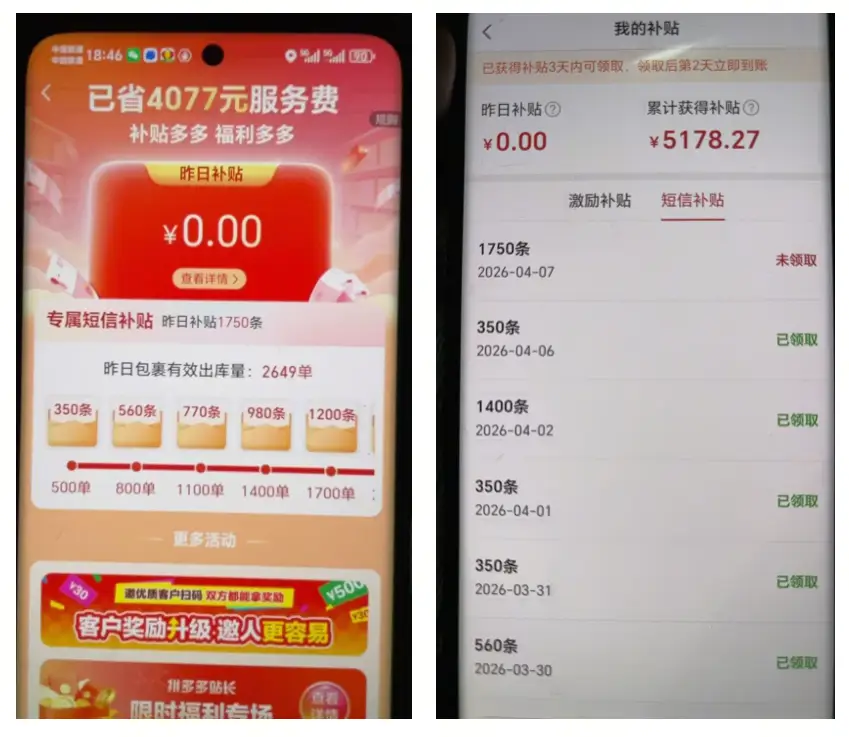
This is still just the small part of the subsidies; what's even more considerable for the stations is this rule: no SMS fees for two years.
SMS fees are a major expense in the daily expenditures of a station. Although a single text message only costs 3-4 cents, the volume is huge. A station boss told Shichao that for a Cainiao Station with an average of 1,000 parcels a day, the monthly SMS fee could be nearly 1,000 yuan.
Although some bosses told Shichao that they have already switched to a tiered rebate system, it's still a considerable amount of income. For example, one of Wei Shao's stations has already saved over 4,000 yuan.
Besides subsidies, the station bosses also revealed a more crucial logic.
That is, in some places, the number of parcels sent via Pinduoduo is higher than via Taobao and Tmall.
Actually, this phenomenon is not surprising, because Pinduoduo's parcels have long been approaching Taobao's. In 2023, Pinduoduo even achieved the feat of surpassing Taobao and Tmall in parcel volume.
The money from shipping is the most profitable business for all stations. Inbound storage only earns 0.3-0.4 yuan per item, while shipping averages 4-5 yuan.
In an already meager-profit express delivery industry, this is an absolutely irresistible temptation for the bosses.

Not only does it make more money, but there's also less hassle.
On Cainiao's side, if a customer complains about you, the station can only submit evidence once, and then it's up to fate. If the appeal is successful, you dodge a bullet; if it fails, you honestly pay the fine.
Therefore, the bosses all complain about too many unjustified fines. For example, in the first month of Wei Shao's Cainiao Station opening, 500 yuan was fined from his deposit by the platform.
But Duoduo Station allows repeated appeals. The approval rate is also relatively high; if there's an issue, just give the customer a call, upload the evidence on the backend, and it can basically be resolved.
Calculating the accounts to this point, who is more cost-effective becomes obvious.
One boss said that even if he bought new equipment to switch to Duoduo Station, he would still earn over a thousand yuan more per month. As soon as his contract with Cainiao expired, he immediately switched sides.
According to some media reports, some franchisees of the ZTO-YTO system would even force the stations under them to switch to Duoduo Station.
However, if you open the map and search for Duoduo Station right now, you might find there aren't many around you.
Because apart from some station bosses who ruthlessly defected to Duoduo, more people are actually conservatives.
It's still somewhat difficult to get them to directly give up Cainiao's 3,000 yuan deposit and the accumulated resources and equipment. Cainiao also provides a fixed monthly subsidy of 300-500 yuan to old stations.
So Duoduo came up with a more cunning move, allowing them to fleece Duoduo with almost zero pressure and become a part of Duoduo Station.
The industry calls this tactic—the dual system.
It means a single station connects to the backend systems of multiple express stations simultaneously, entering the daily parcels into different systems.
So, some people might find that when they go to the station downstairs to pick up a package, the boss asks them to scan the code using Pinduoduo.
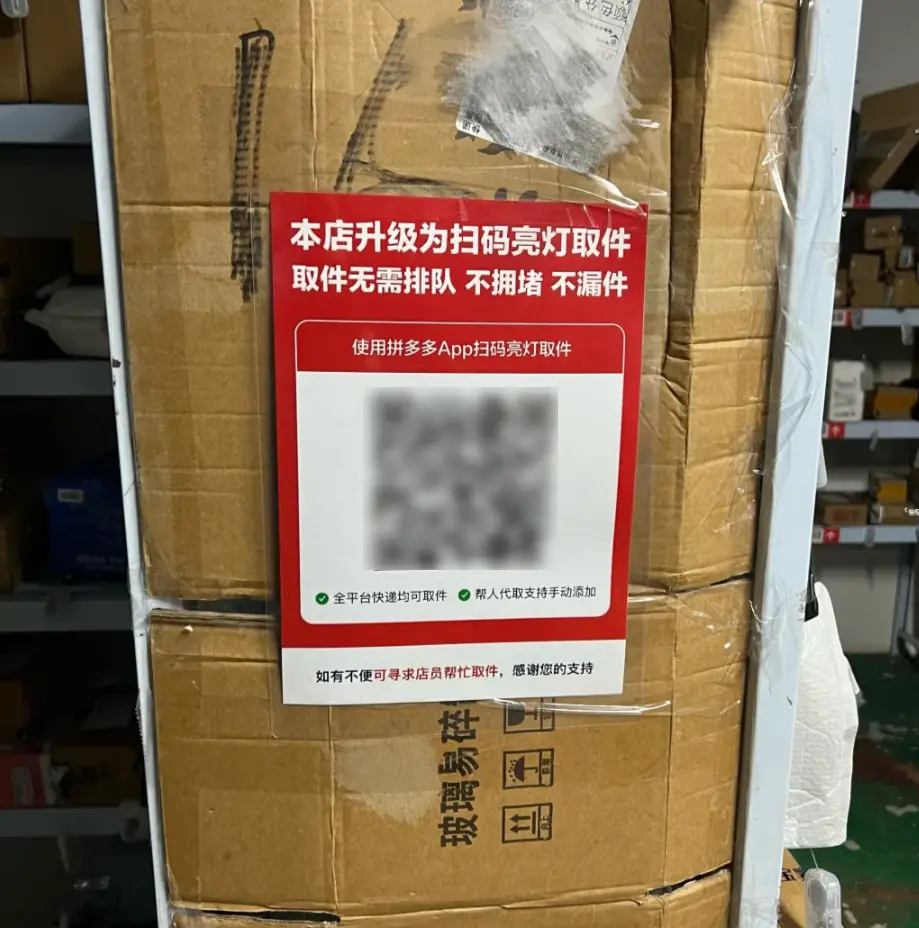
Pinduoduo already used this trick in 2022, when it was still called Duoduo Grocery Pickup. Because it lacked express station qualifications, it could only operate parasitically inside other stations and Duoduo Grocery pickup points.
In the end, it achieved the impressive result of 30 million daily orders in just 4 months, while it took Cainiao Station a full 7 years to reach this scale.
Of course, this tactic wasn't pioneered by Pinduoduo. Companies like Yunda also quietly run multi-systems now.
Shichao even found some professional third-party hybrid scanning machines that can connect to seven or eight station systems simultaneously.
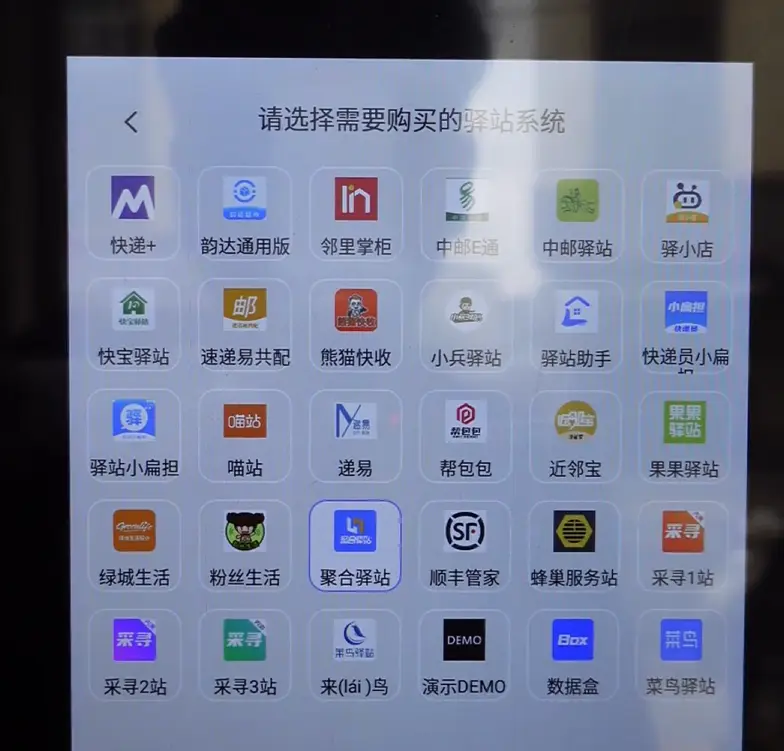
You might want to ask, isn't there a risk in doing this?
At first glance, the risk seems significant. Because during the 2022 wave, Cainiao threatened the station managers that anyone who dared to take Duoduo orders would be expelled.
After receiving Duoduo Grocery parcels
The system reminder received by the station manager
However, Xiao Jingang reassured Shichao: "These things can be negotiated; what does business matter?"
It seems that in a place where station contracts are equivalent to toilet paper, the official side has no good solutions. The survival rule for station bosses is very simple: whoever pays more, they defect to them.
At Xiao Jingang's place, when Yunda announced an additional subsidy of 0.12 yuan per ticket, many people immediately defected.
Wei Shao used his own experience to verify the feasibility of this rule to Shichao.
Not long after they switched systems, Cainiao's business representatives came for a talk. In the end, not only did they successfully defect to Duoduo, but they could also continue to handle Cainiao's shipping business. With official tacit consent, they are running a dual system.
However, observing up to this point, there is one thing Shichao hasn't figured out: Why does Pinduoduo insist on wading into this muddy water?
Everyone who has worked in express stations says it's bitter, engaging in cutthroat competition for a few cents of profit. A research report by China Merchants Securities shows that from January to May 2025, the unit price of express delivery business fell by 8.2% year-on-year to 7.5 yuan.
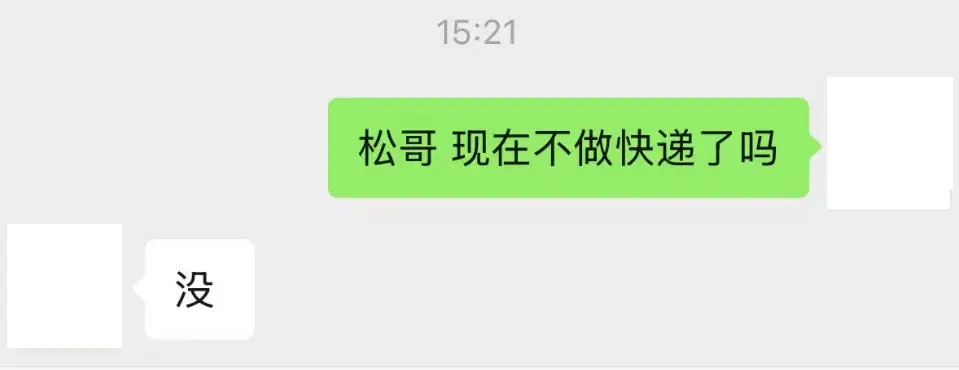
The station bosses in Shichao's contacts have changed batch after batch, and very few can persist for more than two years.
Why is Pinduoduo in such a hurry to do a business that seems completely unprofitable?
Perhaps it's something they have to do.
In 2020, Pinduoduo's monthly parcel volume exceeded 1.5 billion. As the volume continues to increase, the demand for reverse logistics is growing so large that they must keep it in their own hands to control costs and ensure their parcels are prioritized for delivery.
For example, a respondent told Shichao that for many of Cainiao Station's activities, like door-to-door delivery subsidies, parcels from JD.com and Pinduoduo are not eligible.
Duoduo Grocery had already helped Duoduo Station secure locations in third- and fourth-tier cities in advance, building up the capillary network.
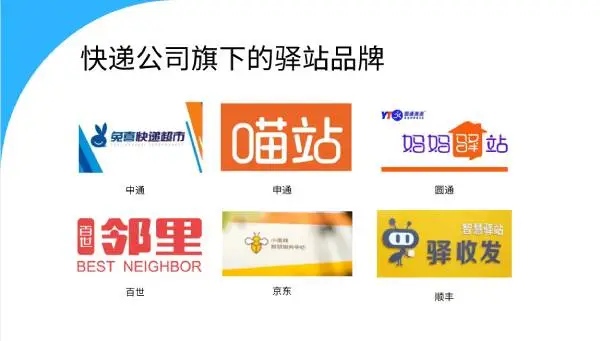
Therefore, various logistics companies like YTO, Yunda, and STO are all building their own stations. Everyone is squeezed into this tiny patch of land, fighting fiercely.
It's just that the stations are poaching each other's corners today and poaching back tomorrow, fighting back and forth, maintaining a stable situation of one superpower and multiple strong players.
But for us ordinary consumers, it's a bit miserable.
Originally, if a new player enters a market and everyone competes fiercely, breaking a monopoly, consumers would either enjoy lower prices or better service.
But when it comes to express delivery, the more they fight, the more troublesome it is to pick up parcels, the more scattered the packages become, and the more Apps we have on our phones...
The express station downstairs changes its face every day: today it's Cainiao, tomorrow it becomes Duoduo, and the day after tomorrow it switches to Tu Xi. The rules change along with it: today they use light bars for pickup, tomorrow they require an identity code to leave the station.
The end result is that there are more and more machines on the station boss's checkout counter. And there are more and more Apps on our phones.
In this war without gunpowder, Shichao doesn't know who won, but the consumers paying the money are definitely numb.
 微信扫一扫打赏
  支付宝扫一扫打赏
Comments (0)